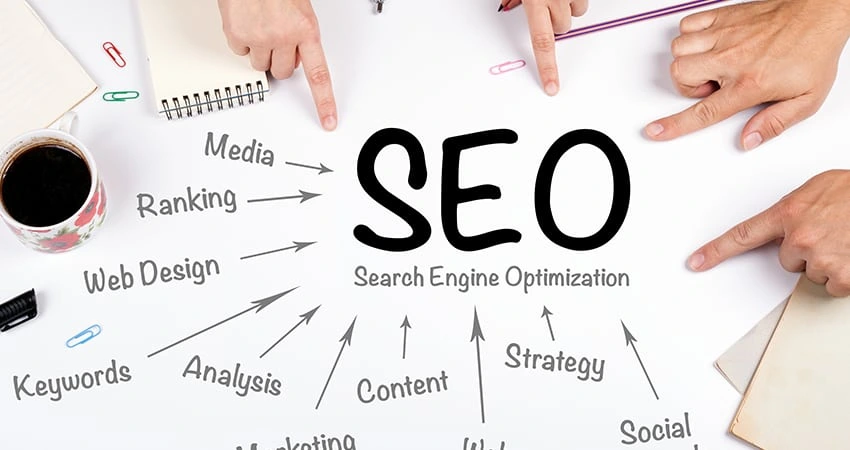
Author name: Prachi

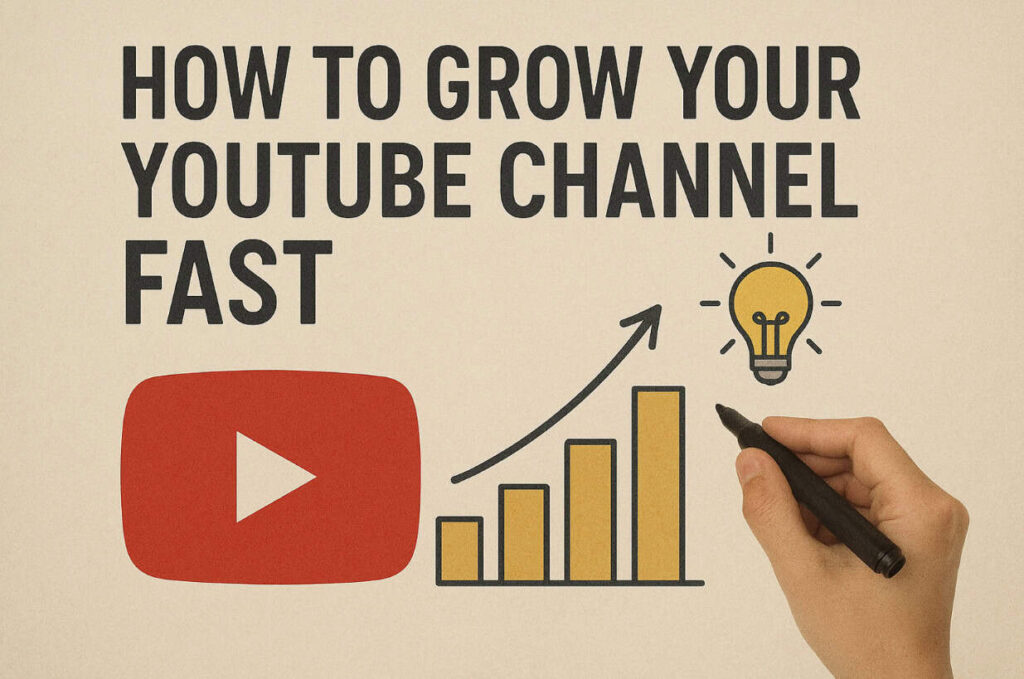
How to Grow on YouTube
Youtube

How to Grow on YouTube Fast, Organically & Smart

How to grow on YouTube is the exact question you asked, which is why you’re here. It’s possible that you’ve already uploaded a few videos and received very few views. Or perhaps you’re just getting started and want to get started right away. In any case, this guide will show you what is currently effective—the methods, routines, and concepts that will support the expansion of your channel. Why Growth Matters (and What Growth Really Means) Growth isn’t just about numbers. Sure, subscribers and views feel good—but real growth means: Your videos reach more people who care. Engagement (likes, comments, shares) climbs. More people trust your content, leading to stronger community. Doors open: brand deals, monetization, new opportunities. You’re creating an asset rather than merely chasing vanity metrics when you figure out how to grow on YouTube in a sustainable way. Strategy #1: Be Consistent & Start Small One mistake many creators make is waiting for perfect equipment, perfect scripts, perfect anything. The truth? Consistency beats perfection. As Forbes notes, top creators emphasize publishing regularly—even if every video isn’t flawless.One creator I follow releases one Short and one long video per week. That balance helps her test ideas with Shorts and deepen connection with long videos. For you, commit to a schedule you can keep. If that’s one video every week, stick to it. If two per month is what you can manage right now, that’s fine—just keep showing up. Strategy #2: Leverage YouTube Shorts (Smartly) Shorts are how many creators explode in reach. They get discovered in new users’ feeds, even if your channel is small. But how to grow on YouTube with Shorts isn’t just making random 15-second videos—it’s using them strategically. Cut long videos into punchy clips. Use a strong hook in the first 3 seconds. Include captions (many watch without sound). End with a call to action (subscribe, watch full video). The hybrid approach—Shorts for discovery, long-form for depth—is working for many fast-growing channels in 2025.  Strategy #3: Optimize Titles, Thumbnails & SEO Even great content can go unseen if it’s not discoverable. How to grow on YouTube organically means using metadata (titles, descriptions, tags) smartly. Use your keyword in the title naturally. Write a description using relevant keywords, but keep it readable. Use tags to support related topics. Create thumbnails that stand out—face, contrast, readability. Ask viewers to like, comment, and subscribe—Backlinko’s ranking study shows engagement correlates significantly with higher rankings. Also, promote your videos externally: embed them in your blog, share them on social, collaborate with creators. (How to grow on YouTube channel) often hinges on outside amplification too. Strategy #4: Know Your Audience & Niche It is impossible to grow if you overextend yourself. Concentrate on a niche that truly interests you. It might be about mental health, cooking, tech reviews, or even training dogs. Finding people who truly relate to your content is made easier by narrowing down your niche. Then, ask: Who am I talking to? What problems do they want solved? What tone or style do they prefer? That clarity helps you create content people want more of and gives you a direction. Your best video ideas will come from what your audience actually wants. Strategy #5: Encourage Engagement & Community YouTube rewards engagement. Comments, likes, shares—all tell the algorithm, “Yes, people “““8care about this content.” Here’s how to boost engagement: Ask a question in your video (“What’s one tip you’ve used?”). Reply to comments—people appreciate that. Use end screens or cards to suggest related videos. Hold polls, live streams, or community posts to make your audience feel heard. Strategy #6: Measure, Learn & Iterate Nothing is set-and-forget. Your growth depends on watching your data closely—YouTube Analytics is gold. Look at: Watch time & retention (where viewers drop off) Traffic source (search, Suggested, Shorts?) Comments vs. views Which thumbnails / titles did better Note patterns. If a Short is pulling in lots of views, try more videos in that style. If long-form content keeps losing viewers at minute 2, study your hook or pacing. The creators who grow fastest are often the ones who try, measure, pivot—and repeat. Mistakes to Avoid (So You Don’t Waste Time) Strong content + no promotion: even the best video can flop if no one shares it. Late intros / weak hook: people decide in first few seconds whether they’ll watch or scroll. Overthinking everything: editing, gear, script—start with what you have. Skipping SEO: good videos need visibility. Ignoring feedback: comments tell you what people didn’t like. Learn from them. Real Example: What’s Working for Creators in 2025 Channels use hybrid formats—long form + Shorts—to capture and retain audiences. Some creators use Shorts to test viral ideas, then expand successful ones into deeper videos. Consistency, not perfection, is emphasized by many prominent YouTubers. Your 50th video will be better than your first because posting frequently helps you get better. Final Thoughts & What You Can Do Today It takes a combination of persistent effort, astute planning, and adjusting to what your audience wants to see to grow on YouTube. You will see results if you make a commitment to learning how to grow on YouTube over time. Do this today: Write or film one strong video idea. Create a Short from it and test performance. Optimize title + thumbnail + tags + description. Promote the video on your social channels. Check analytics after a few days—see what’s working, what’s not. Growth rarely follows a straight path. Over time, you’ll try, fail, adapt, and gain momentum. Continue on your path, be loyal to your voice, and relish the experience.  
How to Become a Content Writer
Content Writing

How to Become a Content Writer: Step-by-Step Guide

Ever caught yourself thinking, “Could I really write for a living?” Maybe you’ve asked,  how to become a content writer or how to be a writer who works from home. Good news: yes, you can. You don’t need a fancy degree. You need persistence, the right habits, and some smart moves. Let’s walk you through how to become a writer (content, freelance, or even technical) from square one. What Being a Content Writer Looks Like A content writer writes articles, blogs, web pages, emails—anything that uses words to connect, persuade, teach, or entertain. It’s not poetry or fiction (unless you want it to be), but it could be your path to making real income. Thinking of how to become a writer in general? Content writing is one of the most accessible roads. If you lean toward detail and clarity, you might love technical writing. That’s writing product manuals, help docs, process guides. And if you like flexibility, how to become a freelance writer is all about writing for many clients—choosing your hours, your niche, your rates. Why This Path Fits Beginners Let’s get real: starting something new can feel scary. But content writing has perks for beginners: Low setup cost: Pen, PC, internet are enough to start. Work-from-anywhere: Cafés, home offices, travel—wherever inspiration strikes. Growing demand: Every brand, blog, and business wants content. Room to grow: Begin with smaller gigs, then scale up as you get better and build reputation. Key Skills to Build First To move from hobby writing to paid writing, these are essentials: Clear writing—no fluff, no big fancy words just for show. Good grammar & editing—your writing doesn’t have to be perfect, but people notice mistakes. Research & curiosity—you don’t need to know everything, just how to find what you need. SEO basics—understanding keywords, how people search, and making your writing easy to find. Adaptability—writing blog posts one day, email newsletters the next. Consistency & discipline—deadlines, revisions, showing up even when inspiration is low. Step-by-Step: How to Start Becoming a Writer Here’s a roadmap many writers follow. You can adapt it to your pace. Step What You Do Why It Matters 1. Write something daily It could be a short blog, journal, micro-blog post Builds your “writing muscle” 2. Choose a niche Pick topics you like—tech, lifestyle, travel, health, games You’ll write better and find clients faster 3. Build samples/portfolio Post on your own blog or write guest posts; collect work even if unpaid initially To show people how to become a freelance writer you’ve done real work 4. Learn SEO & content strategy Basic keyword research, meta titles, headings Makes your work more visible to clients 5. Pitch or apply for jobs Use freelance platforms, cold-email businesses, reach out to blogs This is how “beginner writer” becomes “paid writer” 6. Accept feedback, revise, improve Get critique, do edits, learn from mistakes Improves your writing and builds your brand 7. Scale / specialize Pick a niche, raise your rates, try technical writing if it suits you Wisdom in specialization = more pay + recognition Real tip from writing community: Beginner writers often cast a wide net—pitch lots of ideas, try different topics. It’s how you figure out what works. Moving Toward Freelancing & Technical Writing Freelance Writer Things Working for clients means negotiation, reliability, and delivering value. Set up a profile on Upwork, Fiverr, LinkedIn. Choose your rates carefully—not too low, but reasonable for your level. Write strong pitches: show what you know, show how you solve clients’ problems. Use testimonials or reviews once you do work. They build trust. Technical Writer Angle If you enjoy clarity & process, this is a strong option. Understand a domain (software, hardware, medicine, etc.). Create sample technical docs—even if they’re mock pieces—to show skill. Learn to explain complex concepts simply. Common Missteps Beginners Make (So You Can Skip Them) Trying to do everything at once. Better to be good in one area than mediocre in many. Ignoring feedback. Rewriting & improving matter more than output volume. Undervaluing your work. Sometimes accepting low pay sells your value short. Waiting for things to be perfect. Just start—with rough edges. Real Stories to Encourage You Many new writers share that revenue comes slowly. One person said they earned nothing for many months, but kept submitting pitches. Eventually, small jobs stacked up and income became consistent. Another writer started with small guest posts, posting content on Medium. It helped build credibility and led to paid gigs. These are proof: success doesn’t always come fast, but persistence works. Your First Action Plan Here’s what you can do today: Write one short sample piece in a niche you enjoy. Post it somewhere—your blog or Medium or anywhere public. Reach out to 3 clients or websites with pitches. Ask one person to review your writing & give feedback. Read something—blog posts, books—to pick up new styles & ideas. Final Thoughts So, can you become a content writer? Absolutely. It starts with small steps, honest effort, and steady improvement. Becoming a content writer doesn’t need fancy credentials—it needs heart, practice, and a willingness to learn. If you do the work, build your samples, and treat this like a journey rather than a sprint—you’ll look back and see how far you’ve come. And soon, writing might not just be a goal—it could be your job.

AI

Will AI Replace Humans? The Truth About AI Job Replacement

You might have caught headlines like “AI is coming for your job”—and wondered whether those warnings are real or hype. The reality is more nuanced. Yes, AI job replacement is happening in parts. But “AI replacing humans” entirely? Not so fast. Let’s unpack this—what’s likely, what’s not, and how to respond. What Do We Mean by “Replace”? Before anything else, we need clarity. When someone says “will AI replace humans?”, do they mean: AI taking over entire jobs? AI automating specific tasks within jobs? AI shifting the nature of work altogether? Most of the time, it’s the second one. AI is better at doing repetitive, rule-based tasks than at replacing the full depth of human roles. So ai replacing humans isn’t a black-and-white yes or no. It’s shades of change. What Jobs Will AI Replace? / Jobs That AI Will Replace Some jobs are more at risk than others. AI tends to hit roles where tasks are predictable, repetitive, and based on clear rules. For example: Data entry, record keeping Basic customer service (chatbots answering routine queries) Transcription Routine report generation Some accounting or payroll processing Indeed’s analysis suggests jobs deeply tied to patterns and structured data are among the first impacted.  In contrast, roles that rely heavily on human judgment, emotional intelligence, or creativity are much harder to replace entirely. Think therapists, strategic planners, teachers. Why AI Is Taking Over Some Roles You may ask, “Why is AI taking over jobs at all?” The reasons are fairly straightforward: Cost & efficiency: AI works tirelessly, 24/7, without fatigue, benefits, or breaks. Scalability: A good AI model can handle many more requests than a single human. Consistency: AI can provide the same level of performance without mental slipups. Data availability: Some fields have tremendous data (finance, customer behavior) that AI can leverage easier. As the World Economic Forum puts it, almost 40% of jobs globally are exposed to some AI impact. That doesn’t mean every job disappears. Often, many jobs will be redefined rather than erased. Will AI Replace Humans Entirely? If you mean “will AI take over all human work?”—that’s highly unlikely, at least in the near to medium term. There are strong human elements machines can’t replicate well: Empathy, relation, moral judgment Conflict resolution, persuasion Complex planning under uncertainty Novelty and creativity (coming up with ideas from scratch) Plus, many job roles combine tasks: a manager might oversee people, strategy, innovation, all mixed. AI might help with parts, but replacing the full role is unlikely for now. How Much & How Fast? Cost, Timing & Scale How widespread is ai job replacement going to be—and how soon? Projections vary. A McKinsey study estimates about 30% of U.S. jobs could be automated by 2030.  Meanwhile, global estimates suggest 300 million jobs might be affected (i.e. altered or displaced) by AI in coming years. But one study from Forrester says only about 1.5% of U.S. jobs might be completely lost to generative AI by 2030—but many more will see changed responsibilities. So, yes—some roles may vanish, many will transform. The pace depends on industry, regulation, technical progress, and how organizations adopt AI. What Happens to Work Then? When roles shift, what replaces them? We’ll see new roles: AI trainers, prompt engineers, human-in-the-loop auditors, ethics officers. Many positions will be hybrids: humans + AI working together (AI assists, humans decide). Some work becomes more human-centric: leadership, creativity, relationship building. In fact, some researchers suggest that AI complements human skills more than fully substitutes them. Skills like critical thinking, communication, adaptability gain premium value.  What You Can Do: How to Stay Relevant If you’re worried about your job, here’s how to shape your path: Upskill in human-centric areas Emotional intelligence, communication, ethics, leadership—these become harder for AI to mimic. Learn about AI tools and how to use them If AI becomes your coworker, learn to work with it—not against it. Specialize where humans have edge Roles that require nuance, judgment, ambiguity. Stay updated and adaptable The pace of change is fast—be a lifelong learner. Advocate for fair transition Companies and governments must support reskilling, social safety nets, regulation. Real Stories & Data From the Ground A study shows jobs for market research analysts and sales representatives are heavily exposed: over 50% of their tasks may be automated. In certain sectors, early career workers have already seen job decline in exposed roles like customer service or programming. Over 19% of American workers are in roles considered highly exposed to AI automation. These numbers highlight that AI is affecting real people now—not just tomorrow. Final Thoughts So—will AI replace humans? Yes, in parts. AI will replace specific tasks, perhaps even entire roles in some cases. But the bigger story is transformation, not total replacement. Humans will continue to bring value—creativity, judgment, empathy—things machines presently struggle with. The phrase ai job replacement captures a trend that is real—but it’s not doom and gloom. It’s a shift. Those who adapt, learn, and find their human superpowers will likely thrive. If you want a version you can publish (with SEO tags, formatted headings, pull quotes), I can send it your way. Search

AI

What Is Artificial Intelligence? Future, Uses & Challenges

You probably hear “AI” everywhere: headlines, our phones, at work. But when you pause and ask “What is artificial intelligence?”—do you always get a clear answer? Not usually. Let’s talk about AI in a way that feels grounded. By the end, I hope you’ll walk away knowing what AI actually is, what generative AI means, what AI can do today, the risks, and where we’re headed. What Does “AI” Even Mean? AI stands for Artificial Intelligence. That’s the short way to say machines doing things that usually need human thinking—learning, recognizing, deciding. When someone says “what does AI stand for?”, it’s this basic idea. But there are shades: Narrow AI – like a calculator, or a spam filter, or voice assistants like Siri. It’s good at one thing.  General AI – a more ambitious idea: imagine a smart entity that can learn nearly anything humans can. We’re not there yet.  What Is AI & What Is Generative AI? If “what is AI?” feels like a big umbrella, what is generative AI is one of its most buzzing parts. Generative AI = tools that create content: stories, images, video, music, even code. Think ChatGPT or image-creating tools. For example: a small business owner used a generative AI tool to write product descriptions. It saved hours. And another person used a generative model to create dozens of social media image ideas in a few minutes—something that would’ve taken a week before. What Can AI Do Right Now? AI isn’t just in labs or sci-fi. It’s in your life already. Here are real things it’s doing: Chatbots that answer your queries at night when customer support is offline.  Netflix recommending a show you end up loving because it “learned” what you like.  AI helping doctors by looking at X-rays or scans—spotting things faster.  Schools using AI to personalize learning—giving you material based on how you learn.  According to 2025 stats, 78% of companies now use AI somewhere in their operations. Generative AI is especially hot: many businesses are using it for content, customer support, marketing, etc.  Benefits: What’s To Gain AI brings plenty of upsides. When used well, it can: Save time: automate routine tasks so you can focus on stuff that needs humans.  Help decision-making: analyzing data far faster, spotting patterns, helping you avoid mistakes.  Provide personalization: someone browsing a store may see products that match their taste.  Boost creativity: tools helping people generate ideas, graphics, or drafts they can refine.  Expand reach: small teams using AI can do things they couldn’t otherwise afford or hire for.  Real Challenges: Things We Must Think About It’s not all sunshine. There are real obstacles & risks: Bias & fairness AI learns from our data—which is messy, imperfect. If your data has bias, your AI might too.  Privacy Collecting lots of personal info comes with big responsibility. Data leaks, misuse—they’re real concerns.  Transparency (“How did it decide that?”) Some AI decisions are a black box. It can be hard to explain why an AI made a certain recommendation.  Jobs & inequality Some roles might get automated. Some people benefit more than others. We need to make sure everyone gets a fair shot.  Greener/n Environmental concerns AI models need energy. Training them, running them—these use power. We must ask: is this sustainable?  Recent studies confirm many organizations agree: AI helps a lot, but many also say lack of expertise, ethics, and oversight are top constraints. The Future: What’s Coming If today’s AI feels impressive, the coming years could feel almost uncanny. Models will get better at context: understanding tone, mood, or long conversations.  More background agents: AI that quietly assists you—scheduling, summarizing, reminding—like a smart helper in your daily apps.  Smarter adoption in business sectors: healthcare diagnoses, education, customer service, manufacturing.  But also tighter regulation: people are calling for laws and guidelines so AI doesn’t run amok.  AI is moving fast. In 2025, global AI market value sits somewhere over $240-$250 billion, and generative AI use is bursting upward. Many companies aren’t “trying out” AI anymore—they’re using it in production.  What You Can Do: Stay Ahead Without Getting Overwhelmed If this all feels exciting and a bit overwhelming, here’s how to engage with AI in a way that’s smart: Try a small tool or project. Maybe use an AI writing assistant, or let an AI help with image ideas.  Always review AI output. Let it help—but you still decide the final.  Focus on ethics: be mindful of biased data, privacy, people impacted.  Keep learning. Join communities, read about AI, see how people use it.  Adapt. As AI changes, you’ll need to tweak how you use it.  Final Thoughts If you ever wonder “What is artificial intelligence?”, remember: it’s less about replacing us and more about amplifying us. AI is strongest when it augments human capability—not tries to replace it. We’re in a moment where AI can unlock real change—for businesses, for healing, for creativity. But what we build—and how responsibly we build it—matters just as much as what we can build. I hope this makes “AI” feel less scary, more usable—something you can understand, experiment with, and shape for better. Whenever you’re ready, try something small. You don’t need everything figured out. Just start.  

Meta ads

What Is Meta Ad & How It Works

If you’ve ever scrolled Instagram or Facebook and seen a post marked “Sponsored,” that’s a Meta Ad. It’s a promotional message delivered through Meta’s platforms—Facebook, Instagram, Messenger, and more. But what exactly does “Meta Ad” mean, how do you create one, and can it really make money? Let’s dive in, step by step. Defining Meta Ad in Simple Terms A Meta Ad is an advertisement you pay for that appears inside Meta’s network: think of social feeds, Stories, Reels—any place where Meta shows content. Unlike just posting content and hoping people see it, a Meta Ad pushes your message to people based on targeting, timing, and budget. On Instagram, for example, you might see a Meta Ad as a Story with a “Swipe Up” button or a photo post in the feed. That’s Meta ads on Instagram in action—letting you reach audiences who may not already follow you. How Do I Create a Meta Ad? Let’s walk through a basic, friendly process you can follow: Get your Meta Business setupConnect your Facebook and Instagram pages. Create or use a Business Manager account. Choose your objectiveDo you want more traffic, leads, or sales? Each goal will guide your choices. Define your audienceWho do you want to see this ad? Age, location, interests, behavior. For instance, if you sell gardening tools, you might target “gardening enthusiasts, age 25–55.” Pick placement & formatYour ad might show up in Instagram Stories, Facebook feed, or Reels. You also choose format: image, video, carousel. Create your ad creativeVisual + copy = message. Use bright images, compelling headlines, clear CTA (call to action). Set budget & scheduleDecide how much you want to spend daily or for the campaign’s whole life, and when you want it to run. Launch & monitorAfter launch, watch metrics: clicks, impressions, cost per lead. Use what you learn to adjust. Can I Run Meta Ads for Free? Technically, no. Meta Ads are paid by design. But there are low-cost workarounds: “Boosted posts” with small budgets Testing content organically first to see what performs before pushing it Sometimes, promotions or ad credits from Meta (in some regions) So “free” Meta ads are more about minimizing spend, not doing full campaigns with zero cost. Can I Earn from Meta Ads? Definitely. Many businesses use Meta Ads to drive sales, leads, or signups. Imagine you’re a handmade candle maker: You run a Meta Ad targeting people who like “home décor” and “aromatherapy.” Among 1,000 clicks, a few people might buy candles. Or a local trainer runs a lead ad with a free consultation offer. People sign up, and some convert into paying clients. Earning depends on your product, how well your ad is made, and your funnel (landing page, offer, follow-ups). The better all these pieces align, the more likely you’ll make profit. How Much Do Meta Ads Cost? Costs vary widely based on your niche, audience, ad quality, and competition. Here’s what data shows: In many markets, CPC (cost per click) for Meta is lower than Google Ads. On Facebook and Instagram, the CPC can hover around $0.29 in many industries. In contrast, Google Ads CPCs are usually higher—often between $1 to $2 or more depending on keywords. For lead generation ads, recent data shows Meta lead costs of ~$1.88 compared to ~$4.66 average for Google Ads. So, Meta Ads often let you test with a lower entry cost. But cost is only part of the puzzle—you also want conversions, not just clicks. What’s the Difference Between Google Ads and Meta Ads? They may seem similar, but they work differently. Here are key contrasts: Intent vs InterestGoogle Ads catch people when they’re actively searching (high intent). Meta Ads reach people based on interests or behavior (less explicit intent). Ad Formats & PlacementGoogle: search text ads, display banners, shopping ads. Meta: visual posts, videos, carousels, Stories, Reels. Cost StructureMeta often has lower CPCs for awareness or engagement campaigns, while Google CPCs tend to be higher, especially in competitive keyword spaces. Targeting OptionsMeta is strong in demographic, interest, and lookalike targeting. Google is strong in keyword targeting and search intent. Which is “better” depends on your goals: awareness, engagement, or direct conversions. What Is Meta Ads on Instagram? Instagram is one of the top spots for Meta Ads because it’s visual and highly engaging: Ads appear in feed, Stories, Reels. You can use shopping tags so viewers tap to product pages pretty seamlessly. Good for brands with strong visuals: fashion, food, decor, art. Example: A clothing brand runs an Instagram Reels ad showing a new outfit, includes a “Shop Now” button, and converts viewers into buyers. Mistakes That Hurt Meta Ad Performance To do better faster, avoid these traps: Broad targeting: trying to reach “everyone” almost never works. Weak creative: blurry images, unloved copy or unclear message. Ignoring mobile: most people see your ad on phone—if your landing page doesn’t scale, you lose. Not tracking properly: if you don’t track conversions, how do you know what works? Launching ads and leaving them untouched: adjust and optimize regularly. What You Can Do Today If you’re ready to test Meta Ads: Start small: pick a modest budget and one ad. Define your objective: leads? traffic? sales? Use cleaner, stronger visuals: photos or short videos. Test placements: try Stories vs Feed vs Reels. Track metrics: clicks, cost, conversions. Learn & adapt: pause what fails, double down on what works. Final Thoughts Meta Ads are a powerful way to reach people who might not be actively searching but could become customers. You don’t need a huge budget—just a smart plan, good creative, and the willingness to test and learn. If you build your ad step by step, monitor well, and adapt fast, you’ll see what works for your niche. And over time, Meta Ads might become a dependable growth engine for your business. If you want help refining your first campaign or reviewing your results, I’m here to help. Let’s get your first Meta Ad working for you—with confidence and

Digital Marketing

How to Create a Digital Marketing Strategy

You’ve probably heard people talk about “digital marketing strategy” like it’s some secret sauce. In reality, a good strategy is nothing magical—it’s a plan that brings all your marketing efforts together so they work instead of compete. Let’s walk through how you can build a strategy that actually delivers, step by step, using real examples. No fluff, no jargon. Why You Even Need a Digital Marketing Strategy Imagine trying to hit a target while blindfolded. You might hit something by luck, but rarely the bullseye. That’s what marketing without a strategy feels like. A digital marketing strategy gives you direction. It ensures your social posts, ads, emails, and website all aim toward the same goal. It turns scattered actions into meaningful results. Core Elements Your Strategy Must Include Here are the pieces you need to build something real: Audit & Insight Start by looking at what’s working and what isn’t. Maybe your blog gets some traffic, but your product pages don’t convert. Or your social media reaches many but doesn’t bring visits to your site. This “taking stock” phase helps you spot gaps and potential. Goals & Metrics What do you really want? More sales? More leads? More brand awareness? Define goals clearly. Then pair each goal with a metric: number of leads, conversion rate, sales revenue, email opt-in rate. Audience & Personas Know who you’re talking to. This isn’t just “men 25–40.” It’s about their problems, what they care about, where they spend time online. If you know this, your messages will resonate more. Channels & Tactics This is the fun part. Here’s how your tactics might look: SEO and digital marketing: Optimize your site so people find you when they search. Website marketing strategy: Make sure your site supports your goals—fast pages, clear calls to action, mobile design. Online marketing strategy: Decide whether social media, email, advertising, content will support your goals. If you run an eCommerce store, you might enlist ecommerce marketing agencies or strategies to maximize conversions. Budget & Roles You might have a small budget or a big one. Either way, decide how much goes into ads, tools, content. And assign who does what—perhaps you hire a digital marketing strategist or delegate in your team. Measurement & Optimization You don’t set and forget. You test. You see what works. You refine. Over time, your strategy evolves.   Example: How Brands Use Strategy to Win Let me share two stories so this feels more real: Amazon’s approach: They didn’t just sell things online—they built a marketing machine. Every page, email, ad, and offer is interconnected. Their strategy is sharply focused on customer experience, measurement, and iteration.  Gift & Collectible Brand: An eCommerce brand partnered with a marketing team that ran ads, optimized SEO, improved the checkout flow, and used email follow-ups for abandoned carts. Their strategy spanned across channels, not just putting ads and hoping.  These aren’t overnight successes. They got traction because they tied everything together with strategy. Why “SEO + Website Strategy” Can’t Be an Afterthought When people search for what you offer, you want your site to be ready. That’s where seo and digital marketing meet website marketing strategy. Keywords should match how people search. Pages should load fast and look good on phones. The user journey should guide visitors toward the action you want (buy, sign up, contact you). If your site fails here, all the marketing you do will leak value. Pitfalls to Watch Out For Many strategies fail because: People jump into tactics (ads, posts) without plan or consistency. They spread across too many channels and do none well. They don’t measure or adapt—so they keep doing things that don’t work. The website is weak—slow loading, broken design, confusing navigation. Steer clear of those mistakes. Focus on doing fewer things well. Your Action Plan: Build It in 8 Steps Here’s a roadmap you can follow this week: Audit your current efforts—see weak spots. Pick one or two goals you most care about. Define your audience and their pain points. Choose one main channel to start (social, SEO, email). Optimize your website to support your goal. Execute small campaigns or content around that. Track metrics daily or weekly—see what works. Optimize, drop what fails, double down on what succeeds. FAQs Quick What is digital marketing strategy? A plan that integrates your tactics—ads, content, SEO, website —so they work together to hit goals. How do SEO and digital marketing work together? SEO drives people to your site organically. Other efforts (ads, content) support SEO by bringing visitors, building links, etc. What is an online marketing strategy vs general strategy? Online marketing strategy focuses on internet channels—social, search, ads, email—while general strategy may include offline too. What does a digital marketing strategist do? They map out goals, choose tactics, align teams, measure, and steer adjustments. Why involve an ecommerce marketing agency? If you’re selling online, these agencies bring experience in optimizing ads, funnels, checkout, and conversion—fast. How does website marketing strategy fit in? Your website must support your strategy—be fast, usable, conversion ready. It’s your strategy hub. Conclusion A digital marketing strategy isn’t optional if you care about real, lasting results. It’s what ties your marketing channels into a machine that works together. Start small. Build your website, choose one tactic, measure it. Adjust. Grow. As your strategy matures, you’ll see how SEO, your site, ads, and content amplify each other. And your brand will stand out.

Social Media

Why Social Media Actually Matters for Your Business

The Day I Realized Social Media Wasn’t Optional Two years ago, my friend Jake was complaining about his bakery. Amazing pastries, great location, but hardly any customers under 40. “People just don’t appreciate good baking anymore,” he said. Then I looked at his Instagram. Three posts. From 2021. I almost spit out my coffee. “Jake, when’s the last time you posted anything?” “I don’t really get social media,” he shrugged. “Isn’t that just for teenagers?” That conversation changed everything for his business. And probably saved it. What Social Media for Business Actually Means Here’s what most people get wrong about social media: they think it’s about posting pretty pictures and hoping for likes. It’s not. Social media for business is about showing up where your customers already spend their time. And trust me, they’re spending time there. A lot of time. Think about your own day. You probably check Instagram while drinking your morning coffee. Maybe scroll through Facebook during lunch. Watch TikTok videos before bed (don’t lie, we all do it). Your customers are doing the exact same thing. So why wouldn’t you want to be part of those moments? The Real Benefits (That Actually Matter) Let me tell you what happened when Jake finally started taking social media seriously: People actually knew he existed. Before, his bakery was invisible online. Now when people searched for “best croissants near me,” his Instagram posts showed up alongside his Google listing. Customers became friends. People started commenting on his posts, sharing photos of his pastries, tagging their friends. Suddenly, he wasn’t just selling bread—he was building a community. His website got busy. Every Instagram post drove people to his website to check hours, see the full menu, place orders. Traffic tripled in six months. Word spread faster. One good post about his weekend specials would bring in 20+ new customers that same day. He learned what people actually wanted. Comments and messages told him which pastries were hits, which ones to retire, what new flavors to try. People trusted him more. Seeing his face, hearing his story, watching him work—it made him real. Not just another bakery, but Jake’s bakery. Why Paid Social Media Ads Are Worth It Jake was skeptical about spending money on ads at first. “I’m already posting for free,” he said. But here’s the thing about organic reach—it’s limited. Even if you have 1,000 followers, maybe 50 of them will see any given post. The platforms want you to pay for wider reach. And honestly? It works. With paid ads, Jake could: Target people within five miles of his bakery who were interested in baking or coffee Show his weekend special to people who’d never heard of him before Retarget website visitors with ads for his catering services Test different messages and see what actually made people come in He started with $50 a week. That’s it. Less than he used to spend on newspaper ads that nobody read. The results? Weekend foot traffic jumped 25% in the first month. Real Stories from Real Businesses Jake’s not unique. I see this stuff working everywhere: A local gym started posting member success stories and workout tips on Instagram. Their membership grew 40% in eight months without any other marketing changes. A boutique clothing store used Instagram Stories to show new arrivals and outfit ideas. Their online sales doubled because people could see how clothes actually looked on real people. A landscaping company posted before-and-after photos of their projects on Facebook. They had to start a waiting list because so many people wanted quotes. None of these are huge corporations with massive marketing budgets. They’re regular businesses run by regular people who figured out how to use social media properly. How to Actually Make This Work for Your Business Don’t overthink this. Seriously. Pick one platform first. Where do your customers actually hang out? If you’re B2B, maybe LinkedIn. Visual products? Instagram. Local community? Facebook. Just pick one and do it well. Set a real goal. “More followers” isn’t a goal. “20 new customers this month” is a goal. “Increase website traffic by 30%” is a goal. Be specific. Mix free content with paid promotion. Use organic posts to build relationships and show personality. Use ads to reach new people and drive specific actions. Try things and see what happens. Post a behind-the-scenes video one day, a customer testimonial the next, a product photo the day after. Track what gets engagement and do more of that. Be consistent, not perfect. Jake posts something every other day. Not professional photography, just real photos of what he’s baking. It works because it’s consistent and authentic. The Numbers Don’t Lie Here’s what the data actually shows: Over 5 billion people use social media now. That’s more than half the world’s population. 58% of people say they discovered a new business through social media. Not through Google, not through ads—through social media. 90% of local businesses use social media for marketing. And 78% of them say it directly impacts their revenue. This isn’t a trend anymore. It’s just how business works now. The Questions Everyone Asks “How long before I see results?” Depends what you’re measuring. Engagement and followers can grow quickly—within weeks. Actual sales usually take a few months of consistent effort. “Do I need to be on every platform?” Please don’t. Pick one, maybe two. Do them really well. Being amazing somewhere beats being mediocre everywhere. “What if I don’t know what to post?” Show your work process. Share customer stories. Answer common questions. Post behind-the-scenes moments. Be helpful and authentic—that’s enough. “How much should I spend on ads?” Start small. Maybe $100 a month. See what works, then increase your budget for the ads that actually bring in customers. What You Should Actually Do Next Stop overthinking this and start doing something. This week, pick one platform where your customers spend time. Post something helpful or interesting every day for two weeks. See what happens. Don’t worry about having

SEO

Importance of a Website in Today’s Digital World

You know how in old days people used phone books or yellow pages to find businesses? Now everyone turns to the internet first. That’s why the importance of websites today can’t be overstated. A website is your digital front door: open 24/7, visible everywhere, and it often gives the first impression people form of your business. If you’ve ever wondered what is website in digital marketing or why does design matter, this guide is for you. We’ll walk through why a website matters, how design and responsiveness affect success, and ways your business can benefit—no tech-wizardry required. What Makes a Website Really Matter A website isn’t just “nice to have”—it’s a core part of how businesses survive and grow. First impression & trust: When people land on your site, they judge quickly. If it looks old, slow, or confusing, they’ll leave. But a fresh, clean design? That builds credibility. Reach & availability: Your brick-and-mortar store is open only some hours. A website works even when you’re sleeping. It lets people find you anytime, anywhere. Search & discovery: Without a website, you’re invisible online. With one, you can show up in searches, which ties into what is website in digital marketing. Good SEO (search engine optimization) makes sure you’re found when people look for what you offer. Web Design & Responsive Web Design: Why They’re Crucial Now, when we say the importance of web design, we don’t just mean making things pretty. Design affects how people feel, act, and trust your business. Responsive design means your site works well on phones, tablets, and desktops. According to recent stats, nearly 90% of websites now use responsive design so they look good on all screen sizes. If your site isn’t mobile-friendly, 73% of users might abandon it right away simply because it doesn’t fit their screen.  Good design also means clear navigation, fast loading, readable text, visual consistency. These lessen confusion, make people stay, click around, and maybe buy or contact you. Top 10 Reasons Why a Website Is Essential (10 Importance of Website) Here are ten strong reasons why any business needs a good website now more than ever: Credibility & trust — People expect businesses to have a website. If you lack one, some will assume you’re less professional. Online visibility — Being online helps potential customers find you through search. Showcase offerings — Your products, services, portfolio, testimonials—all in place, easy to view. Marketing hub — Ads, social media, emails—they often point back to your site. Cost efficiency — Compared to print ads or physical marketing, maintaining a site can be more affordable. Customer engagement — Blog posts, contact forms, FAQs—these make your brand more approachable. Expand reach — Not limited by geography. Someone on the other side of the city or country can discover you. Responsive & mobile traffic — More and more people use mobile devices. Responsive design means you’re ready.  Competitive advantage — If your competitor has a better site, you’ll lose out. A clean, fast, well-designed website sets you apart. Analytics & growth — Today’s websites give you data—what users click, where they drop off… You can use that insight to improve. What a Digital Marketing Company Brings to the Table So you may wonder, what is a digital marketing company and why hire one? Here’s how they help with your website: Design what feels like you. A good company helps you build a look and identity that matches your brand. Set it up for search engines. They know how to use keywords, meta tags, friendly URLs so your site is discoverable. Ensure responsiveness. One design that works everywhere, which saves money and keeps users happy. Support ongoing maintenance. Websites aren’t “set and forget”—updates, security, content tweaks matter. Website Design’s Role in Strategy & SEO Your website is more than a place to show content. It’s part of the strategy. And SEO is a key piece. What is digital marketing strategy? It’s deciding who you want to reach, how, and what actions you want them to take. Your website helps you execute that. What is SEO in digital marketing? SEO means optimizing your site so search engines favor it. Fast load times, mobile-friendly design, clear content. These help your site get seen. Example: A local cafe starts a website with a blog about their special coffee blends. They use SEO to target “best local coffee shop,” optimize for mobile, make sure menu photos load fast. Over time, they get more visitors who search that phrase—walk-ins and online orders increase. Responsive Design: Why So Important Let me get a bit deeper into importance of responsive web design because it’s often underrated. Most web traffic now is through mobile. If your site is clunky or broken on phones, you lose big.  Non-responsive sites lead many users to leave quickly. You get high bounce rates. But responsive sites see more engagement.  From a cost & maintenance standpoint, making one site that adjusts to all device sizes saves time and worry—rather than building separate sites for desktop and mobile. FAQs: Quick Answers What is SEO and how it works? SEO is making your website more visible on Google and similar search engines. It involves words (content), the behind-the-scenes setup (speed, mobile friendliness), and getting reputation signals (links, user behavior). What is digital marketing SEO strategy & basic example? A strategy is how you plan to use SEO + content + site design to attract people. Basic example: pick target keywords → write content around them → optimize your website layout → get links or mentions → track performance. What is SEO in digital marketing? SEO is a tool within digital marketing. It’s the piece that deals with search engines and helping people find you when they are looking. Types of SEO in digital marketing? On-page (content, titles), off-page (links, reviews), technical (site speed, mobile layout), local (show up in local search), sometimes voice search or video SEO also. Conclusion & What You Should Do Next To wrap it up:

What is Digital Markeitng
SEO

What Is Digital Marketing? SEO, Strategy & Basic

What Is Digital Marketing? SEO, Strategy & Basics Digital marketing can sound like a big, scary phrase—but it doesn’t have to be. If you’re asking what is digital marketing? you’ve come to the right place. This guide breaks it down into bite-size pieces so even if you’re brand new, you’ll walk away knowing what works, how SEO fits in, and what steps to take to start strong.   What Is Digital Marketing? At its heart, digital marketing means using online tools and spaces—social media, search engines, emails, websites—to reach people and grow your business. Instead of billboards or paper flyers, digital marketing meets people where they already spend time: on their phones, scrolling feeds, searching Google, watching videos. When you hear what is digital marketing for beginners, remember: it’s about connecting with the right audience, at the right time, using the right message. It’s about strategy more than fancy tech.What Is Digital Marketing? SEO, Strategy   Understand the Strategy Side What is digital marketing strategy? It’s your plan. It answers questions like: Who do I want to reach? Which channels (Instagram? Email? Search engines?) make sense? What sort of messages or content will grab attention? How will I measure whether I’m doing well? A good strategy helps you use resources wisely—whether it’s time, money, or effort. Without one, many beginners try everything and burn out. What Is SEO in Digital Marketing? Basic Example SEO stands for Search Engine Optimization. It’s about helping your website show up when someone types something related into Google (or another search engine). If someone searches “best tea shop near me”, SEO helps your tea shop’s site appear. Here are the main types: On-Page SEO: the stuff you control on your website—keywords, page titles, pictures, how easy it is to read. Off-Page SEO: things outside your site—getting other trusted websites to link to you, being mentioned on social media, good reviews. Technical SEO: speed, mobile friendliness, security (https), clean URLs—all the behind-the-scenes work so Google understands your site.  Example: Imagine you run a small bakery. For SEO strategy, you write a blog “how to bake cupcakes” (on-page), ask local food bloggers to write about you (off-page), make sure your website loads fast and works well on phones (technical). That mix helps people find you, trust you, and buy from you. Digital Marketing Channels & What a Digital Marketing Company Does Channels are just different places or methods you use to reach people. Some examples: Websites Social media (Instagram, Facebook, TikTok) Email marketing Search engine ads (PPC) Local listings (like Google My Business) A digital marketing company helps businesses set up, manage, and improve these channels. Think of them as your guide to choosing what works, avoiding missteps, and growing faster. Why Beginners Should Care You might wonder: “Why dive into this now?” Here’s why: Cost-effective: Reaching people online often costs much less than traditional advertising. Trackable: You can see what works—how many people clicked, shared, bought—and adjust. No guessing. Scalable: You can start small and grow as you learn. Flexibility: Change your strategy when trends shift. Move from blog to video or try email if the audience prefers. Free Learning & Resources If you want to get started without breaking the bank: Google offers a free SEO Starter Guide — basic rules for good SEO. Many platforms (like HubSpot, Simplilearn) have free beginner-friendly material on digital marketing basics & SEO. Simplilearn.com+2reliablesoft.net+2 Practice by trying small tasks: write a blog, optimize a page title, update your Google My Business listing. Hands-on learning matters. FAQs What is SEO and how it works? SEO means improving your site so it ranks better on search engines. People type words into Google. If your page uses those words in helpful ways (good content, clean structure, fast speed), Google tends to show it higher. What is digital marketing SEO strategy & basic example? A strategy is a plan that uses SEO plus other tools. A basic example: pick 5 keywords, write 2 blogs around those, optimize your homepage, get a few backlinks (trusted sites linking to yours), then track traffic. What is SEO in digital marketing? SEO is a tool inside digital marketing. It’s focused on search visibility, while digital marketing also includes social media, emails, ads, local listings, etc. Types of SEO in digital marketing? On-page (within your site), Off-page (outside your site), Technical (site speed, mobile readiness), plus specialized types like Local SEO, Video SEO, Voice Search etc. SEO.com What is SEO and how it works? (repeat from first FAQ with a twist) SEO works by matching what people search for with what your content provides. It’s a mix of good content, clean website wiring (structure, speed), and outside signals (other sites trusting you). Conclusion To wrap up: What is digital marketing? It’s really about showing up where your audience is, giving them value, and doing it in a way that’s practical and measurable. SEO, strategy, content—they all work together. You don’t need fancy tools or big budgets. Just start with one channel, learn as you go, use free resources, and keep improving. If you do that, you’ll see traction. And if you want help building your strategy—or want someone to guide you through the steps—you know you can reach out.

Information

Top 25 Best Courses After 12th for Science, Commerce & Arts Students

Introduction The moment you pass your 12th exams, the big question arises: “What next?” Choosing the right course is one of the most important decisions in your life because it shapes your career and future. With 2025 bringing fresh opportunities and evolving industries, selecting the best courses after 12th has never been more crucial. Whether you’re from Science, Commerce, or Arts, the right choice can open the doors to exciting jobs, professional growth, and financial stability. In this guide, we’ll explore the best degree courses after 12th, high-demand professional courses, and answer the most asked questions from students like you. Why Choosing the Right Course After 12th Matters  The world is changing fast — new technologies, remote work opportunities, and global hiring trends mean that your career path should align with future-ready skills. Gone are the days when only doctors or engineers were considered successful; today, professional courses in fields like digital marketing, data science, and graphic designing are equally rewarding. A well-planned choice after 12th ensures: Job security in high-growth sectors. Higher salary potential. Opportunities for global exposure. A career that matches your passion and skills. Best Courses After 12th Science If you’ve studied Physics, Chemistry, and Biology or Mathematics, the Science stream offers a vast range of possibilities. Top Degree Courses After 12th Science: B.Tech / B.E – Ideal for engineering aspirants (specializations in AI, Robotics, Mechanical, Civil, etc.). MBBS / BDS – Prestigious medical careers with global demand. B.Sc. – Specializations in Computer Science, Biotechnology, Physics, Chemistry. B.Pharm – Pharmaceutical careers with stable growth. Professional Courses for Science Students: Nursing & Paramedical Data Science & Artificial Intelligence Cybersecurity Renewable Energy Technology These courses not only have a high scope but also offer some of the highest salary jobs after 12th in 2025. Best Course After 12 Commerce Commerce students have the advantage of entering careers in finance, management, and business operations. Top Degree Courses After 12th Commerce: B.Com – Core foundation in accounting, taxation, and finance. BBA – Business management and entrepreneurship. BMS – Specializes in managerial skills. Chartered Accountancy (CA) – One of the most respected and highest salary courses after 12th. Company Secretary (CS) & CMA – Lucrative corporate roles. Professional Courses for Commerce Students: Digital Marketing Financial Modeling Investment Banking E-Commerce Business Management Best Course After 12 Arts Arts students today have a wide selection of careers in creative, social, and communication-driven fields. Top Degree Courses After 12th Arts: BA – Economics, Psychology, English Literature. BFA – Fine Arts for creative minds. BJMC – Journalism & Mass Communication. BSW – Social Work and community development. Professional Courses for Arts Students: Graphic Designing Event Management Animation & Multimedia Foreign Language Studies Top Professional Courses After 12th Professional courses are skill-based programs that prepare you directly for a career. They can be pursued alongside or after a degree. Popular Options in 2025: Aviation & Hospitality Management Web Development Fashion Designing Cybersecurity App Development Game Designing Such professional courses are high in demand globally and are often more affordable and quicker to complete than traditional degrees. How to Choose the Right Course After 12th Here’s a simple checklist before you make your decision: Identify your strengths & interests – Are you more analytical, creative, or business-oriented? Check industry demand – Research which course is in demand. Consider salary potential – Ask yourself which job is the highest salary after the 12th. Look at global opportunities – Courses with international recognition offer better career security. Future Scope & High-Paying Careers After 12th In 2025, industries like Artificial Intelligence, Cybersecurity, Renewable Energy, Digital Marketing, and Financial Analysis are booming. High Scope Courses: Data Science, Cloud Computing, CA, MBBS, and AI-based engineering. Highest Paying Jobs: Doctors, Chartered Accountants, Data Scientists, AI Engineers, and Investment Bankers. FAQs Which course is best for after 12th? It depends on your stream and interests. For Science – MBBS, B.Tech, Data Science; Commerce – CA, BBA; Arts – BJMC, BFA. Which course is high scope? AI & Machine Learning, Data Science, CA, and Cybersecurity have the highest future scope. Which job is the highest salary after the 12th? Doctors, AI Engineers, Data Scientists, and Chartered Accountants top the list. Which is no 1 course? Globally, MBBS and Data Science are among the most valued in 2025. Which course is demand? Professional courses in AI, Digital Marketing, Cybersecurity, and Financial Modeling are in high demand. What is the richest course? Medicine, AI Engineering, and Investment Banking-related courses are the richest in terms of earning potential. Conclusion Choosing the best courses after 12th in 2025 is all about aligning your passion with market demand. Whether you opt for a degree course after 12th in Science, Commerce, or Arts, or choose from high-demand professional courses, your decision will shape your career journey for years to come. Remember, it’s not just about chasing the highest salary — it’s about finding a field where you can grow, excel, and make a difference.

Scroll to Top